
Perennial Vegetables
Perennial vegetables offer a hardy, low maintenence alternative to annual varieties.
Scroll down to learn more about the range we offer.
Asturian Tree Cabbage
Short-lived perennial cabbage. This grows upright to a height of up to 1m, and will flower each year. It can be kept going during the season by cutting back flowers, leading to a fresh flush of leaves. The tree cabbage is happiest in full sun or partial shade, moist soil and with a small amount of shelter.
The variety is a useful addition to the garden or plot as it is often plentiful over the sparse ‘Hungry Gap’ period, its leaves have a flavour that is a cross between cabbage and kale.

Babbington's Leek
Cennin Babbington
Babbington’s Leek (Allium ampeloprasum var. babingtoni) needs to be planted out and left to grow on for another 1-2 years. It is happy in a variety of soils and is wind tolerant. Once the stems have become thick, they can be cut and eaten like a non-perennial leek variety. The mature leeks will produce bulbils at the top and bottom of the stem (the bit that looks like the edible leek) The bottom bulbil will produce another stem the following year if you chose to cut the existing leek and eat it. If you leave the mature stem in place, the top bulbil will act as a seed head. You can then harvest these seeds and plant them on to grow your stock of leeks (at the expense of one less leek to eat that year).
Skirret
Ysgeirrad
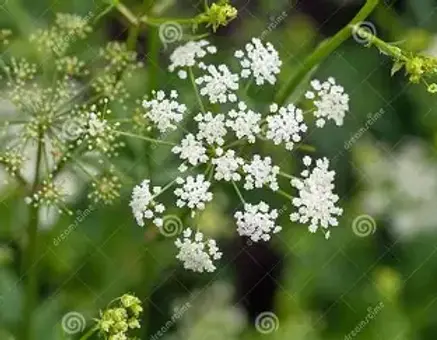
Sium sisarum, commonly known as skirret, is a perennial plant of the family Apiaceae in the same family as carrots. It prefers sun or partial shade, and deep moist fertile soil. Skirret has a cluster of bright white, sweetish, somewhat aromatic roots, each approximately 15–20 centimetres (6–8 in) in length which can be harvested from autumn through to mid-winter once established. These are used as a vegetable in the same manner as the common salsify, black salsify and the parsnip.

Lupin Sweet 'Dieta'
Lliwlys gwyn 'Dieta'
Lupinus Albus Dieta is a flowering, nitrogen fixing companion plant which also produces an edible component. This variety likes full sun and fertile, well drained soil and could be used as a cover crop within a holistic system.
Edible Lupins produce a high protein flattened bean which is suitable for cooking after being soaked. Do take care as some people with peanut allergies can also be allergic to lupins.
This variety can cross fertilize with other lupin varieties creating a non-edible, potentially toxic, seed. We advise taking care when planting to ensure it is not near other lupins.
Chinese Mahogany
Mawnddwr Tsieineaidd
The Chinese Mahogany (Toona Sinensis) is a hardy perennial which enjoys sun and fertile, moist, well drained soil. This variety has the potential (if left unchecked) to grow to tree size. However, it can easily be kept as a shrub and it's young leaves are suitable for use in salads, soups and stews and have the distinctive taste of beef and onion!

Welsh Onion
Cennin Cymru
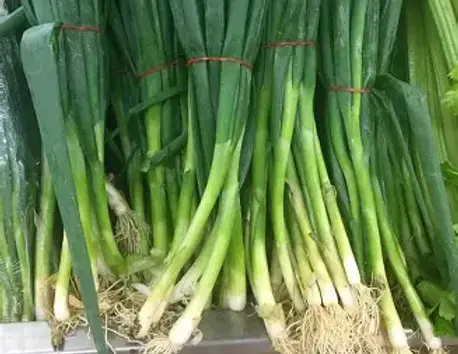
Allium fistulosum is hardy perennial onion which enjoys fertile well-drained soil and a sunny location. The common name "Welsh onion" does not refer to Wales; indeed, the plant is neither indigenous to Wales nor particularly common in Welsh cuisine. Instead, it derives from a near-obsolete botanical use of Welsh in the sense 'foreign, non-native'.
The Welsh Onion is a popular ingredient in Asian cuisine, especially in East Asia and Southeast Asia. It is particularly important in China, Japan, Taiwan and Korea, hence one of the English names for this plant, Japanese bunching onion. In the UK it is primarily used as a scallion or salad onion.
Nine Star Broccoli
Brocoli Naw Seren
Brassica oleracea is a perennial vegetable with a flavour somewhere between cauliflower and broccoli and will produce small creamy/white heads from April and through into the summer months.
Harvest the larger main head first and several more, smaller side shoots will form for harvesting. The leaves can also be eaten and used like kale but don’t be too keen, or the plant may be weakened. For best care practice, cut off the flowers before they go to seed to keep the plant flourishing year after year.
Grow in fertile, firm, moist but well-drained soil, neutral to alkaline soil in full sun. Plant out 90cm apart; these are large plants needing plenty of space. Where possible, avoid growing brassicas in the same soil year on year, to prevent the build up of soil-borne diseases.
