
Herbs
Herbs form a key part of our perennial systems, providing a range of benefits and uses.
Scrolls down to learn more about the varieties we stock.
Sage
Salfia
Sage is hardy and easy to grow. Plant it in full sun with well-draining soil, spacing plants about 2 feet apart. While flowering attracts pollinators like bees and butterflies. It can be propagated from seeds or small plants and thrives in both perennial borders and kitchen gardens. Prune it back after flowering to maintain it's bushy structure.
Sage is a herb that combines culinary versatility, medicinal benefits, and cultural significance, making it a valuable addition to both gardens and kitchens. It can also be used to make tea!

Thyme/Orange Thyme
Teim/Teim Oren
Thyme is a culinary herb and is best cultivated in a hot, sunny location with well-drained soil. It is generally planted in the spring, and thereafter grows as a perennial. It can be propagated by seed, cuttings, or dividing rooted sections of the plant. It tolerates drought well. It reaches 30-40cm in height and benefits from being cut back in midsummer to keep it bushy.
Basil (Sally)
Ocimum basilicum (lettuce leaf)is an unusual annual herb, known as the Lettuce Leaf or Sally Basil. This variety has variegated leaves reaching up to 12cm long and prefers a sheltered location.
Short spikes of white flowers appear in late summer. To keep generating fresh leaves, pluck out the flowering tips as they develop.
This variety can be used both as a herb and as a salad leaf due to its size.


Lovage
Lovage (Levisticum officinale) is a perennial herb in the Apiaceae family, closely related to celery, parsley, and carrot. The plant grows tall, reaching up to 2.5–6 feet (0.8–1.8 meters). It prefers full or partial shade and fertile moist soil. In late spring, it produces yellow flowers, attracting pollinators.
Lovage is highly versatile in the kitchen. Its leaves, stems, roots, and seeds are all edible. The leaves have a sweet, intense celery-like flavor and can be used fresh or cooked in soups, stews, salads, and stocks. The stems add flavor to broths, while the seeds can be used as a spice similar to fennel. The roots can be cooked as a vegetable or used in herbal remedies. For something different pop a few sprigs in lemonade for a refreshing drink.
Bronze Fennel
Bronze Fennel (Foeniculum vulgare purpureum) is a flowering plant species in the carrot family. This variety is a hardy, perennial herb with yellow flowers and distinctive bronze feathery leaves. It enjoys full sun and well draining, fertile soil. It can reach an eventual height of 1.5-2m.
The leaves are delicately flavored and similar in shape to dill. The bulb is a crisp vegetable that can be sautéed, stewed, braised, grilled, roasted or eaten raw. Tender young leaves are used for garnishes, as a salad, to add flavor to salads, to flavor sauces to be served with puddings, and in soups and fish sauce. Both the inflated leaf bases and the tender young shoots can be eaten like celery.

Marsh Mallow
The marsh mallow plant (Althaea officinalis) is a perennial herb which is happiest in sun or partial shade and particularly enjoys moist soil.
It is known for its medicinal roots, edible leaves and flowers. It was historically used in confectionary, giving rise to the sweet treat of the same name and continues to be enjoyed by bees and pollinators.
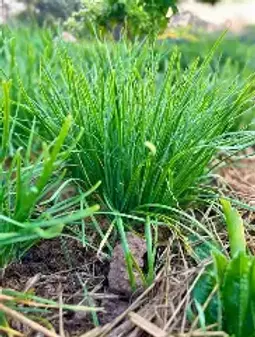
Garlic Chives
Garlic Chive (Allium Tuberosum) produces stems with a mild garlic flavour and can be used in salads. The flowers are also edible and act as a attractive garnish.
The Garlic chive prefers sun, likes rich, mosit, well-drained soil and is hardy to UK conditions.
Mountain Mint
The Mountain Mint (Pycnanthemum pilosum) is a not a true mint, and therefore doesn't spread as common mint varieties do. However, it's leaves are strongly scented of peppermint and can be used in the same way traditional mint is.
The Mountain Mint enjoys sunny or partially shaded locations with moist soils and is a favourite of pollinators.